

Four Generations of Christmas at a Texas Ranch |
From handmade greenery to Victorian decorations, George Ranch in Richmond shows how Texas holiday customs changed across generations. |
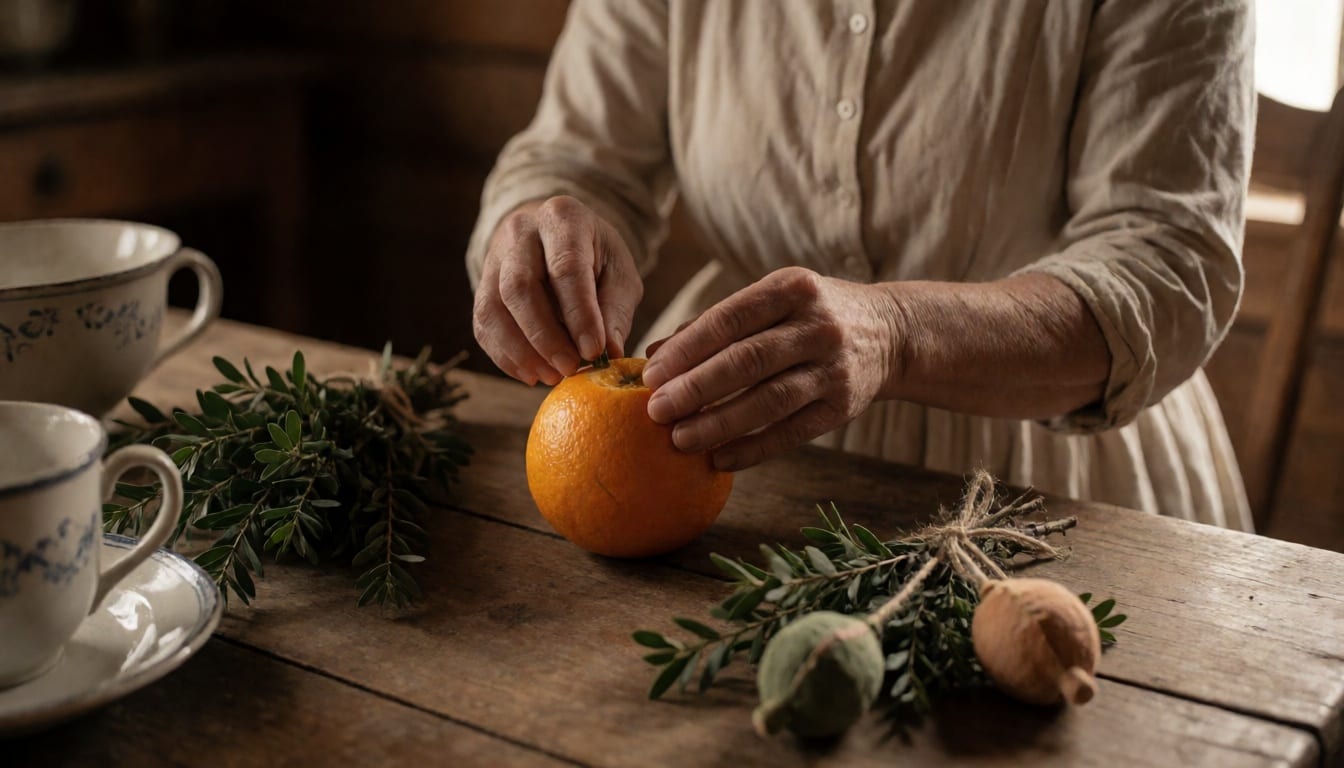
Christmas on a Texas ranch in the 1830s did not look much like Christmas today. There were no electric lights strung along the porch. Families had to rely on what they could grow, make, cook or obtain close to home. Over the next hundred years, those customs changed as Texas changed.
At The George Ranch, near Richmond in Fort Bend County, visitors can explore that long story through four generations of one family. The living-history museum interprets the 1830s, 1860s, 1890s and 1930s. Older holiday programs used these four settings to help visitors picture Christmas in different eras. The full four-period holiday program has not been confirmed for 2026, but the underlying history remains worth discovering.
One Ranch, Four GenerationsHenry and Nancy Jones received land along the Brazos River in 1824 as members of Stephen F. Austin's Old 300. The ranch later passed through the Ryon, Davis and George family lines. The family experienced some of the biggest changes in Texas history, from frontier settlement to large-scale cattle ranching and oil development.
That history also includes the labor of enslaved people. The George Foundation states that dozens of enslaved people helped build the family's early farming and ranching operation. Later, Black cowboys also played an important part in the ranch's cattle work. A visit should make room for their stories, not simply the decorated family homes.
The 1830s: Christmas Close to HomeThe Jones Stock Farm represents the ranch's early years. Past Christmas in the Park programs at the site explained Yule log customs, simple greenery decorations and Mexican hot chocolate. These were historical demonstrations, not a record proving exactly what Henry and Nancy Jones did on any particular Christmas.
Even so, the setting makes an important point. Early holiday customs relied on natural materials, food and work done close to home. It invites a useful question: who gathered the greenery, prepared the food and kept the household running?
The 1860s: Homemade Decorations and a Changing TexasThe Ryon Prairie Home marks another period. Polly Jones Ryon and William Ryon helped grow the family's property and cattle operation. Historical Christmas programs at this site have featured greenery, homemade ornaments, orange pomanders, holiday cookies and wassail.
An orange studded with cloves is a small thing, but it says something about how holiday decorations could appeal to the senses without coming from a store. The home also represents a difficult era that included the Civil War and the end of legal slavery. Those events are part of its history, whether or not the rooms are decorated for the season.
The 1890s: A Different Kind of ChristmasThe Davis Victorian Mansion brings the story into the late nineteenth century. Past holiday interpretation contrasted the more elaborate decorations of a prosperous Victorian home with handmade decorations in the nearby sharecropper setting.
That difference matters. People living in the same community did not necessarily celebrate Christmas in the same way. Income, work and access to goods could shape both household life and the holiday table. The mansion is a chance to consider those contrasts rather than assuming there was one uniform Texas Christmas.
The 1930s: The Ranch Enters a New AgeThe George Ranch Home represents the twentieth-century chapter. Mary Elizabeth "Mamie" Davis George and Albert P. George carried on the family enterprise. In the 1920s, oil discoveries on the property supplied funds that later supported The George Foundation, established for the benefit of Fort Bend County.
Past holiday programs have displayed George family Christmas objects in the home. These objects connect a household tradition to the lives of people who watched transportation, industry and daily comforts change. But an authentic family object and a modern reconstruction are not the same kind of historical evidence. It is worth asking a guide which is which.
What Visitors Can LearnGeorge Ranch is a living-history museum, not simply a group of old houses. It uses interpreters, buildings and collections to explain changes in Texas life. The University of North Texas also preserves a George Ranch Museum Collection of historical materials that readers can explore online.
A holiday craft demonstration can show how a custom worked, but it should not be mistaken for an eyewitness account of a specific family celebration. That distinction helps visitors understand what is documented, what is representative of an era and what has been recreated for learning.
What Is Happening in December 2026?There is a verified seasonal outing to consider. George Ranch has announced S'mores with Santa for Saturday, December 12, 2026. The organizer lists campfire s'mores, hot cocoa, crafts, letter-writing and a Santa photo opportunity. Admission is $5 per person, separate from the regular ticket required to tour the ranch.
The ranch's booking calendar lists several December general-admission dates. That does not establish that Christmas in the Park, with all four historical holiday settings, has returned for 2026. Before planning a trip specifically for period Christmas demonstrations, check directly with the ranch about what will be offered on your date.
Planning a VisitThe George Ranch is at 10215 FM 762 in Richmond, Texas. Regular public hours are Saturdays from 9 a.m. to 5 p.m., with additional openings during certain school holidays. Current general admission is $16 for adults ages 13 to 64, $13 for seniors ages 65 and older, $11 for children ages 4 to 12, and free for children 3 and younger. Military and teacher discounts are listed separately by the organizer. Special-event admission may be additional.
The four historical sites sit along an approximately 1.25-mile paved loop. The ranch offers a wheelchair-accessible tractor tram that typically circles about every 20 to 30 minutes. Three historic homes have ramps for first-floor access. Plan for outdoor weather and ask ahead about any specific accessibility needs.
Quick Facts
More Than DecorationsA handmade ornament and a furnished Victorian room tell different stories about Christmas. At George Ranch, they also belong to a larger story about people, work and change in Texas. Some traditions lasted. Others came later. The most interesting question may not be which house had the nicest decorations, but how life changed for the people who lived and worked across these generations.
That is a good reason to visit a historic ranch in any season. Christmas simply gives us another way to look.
Sources and Further Reading
|
0 Comments
Join the conversation
Be the first to comment
Share your thoughts above.